
Leasehold vs Freehold in Bali: Which Should Foreign Investors Choose?
Leasehold or freehold? What each term really means in Bali, how long a leasehold lasts, whether it can be resold, and what to check before you buy.
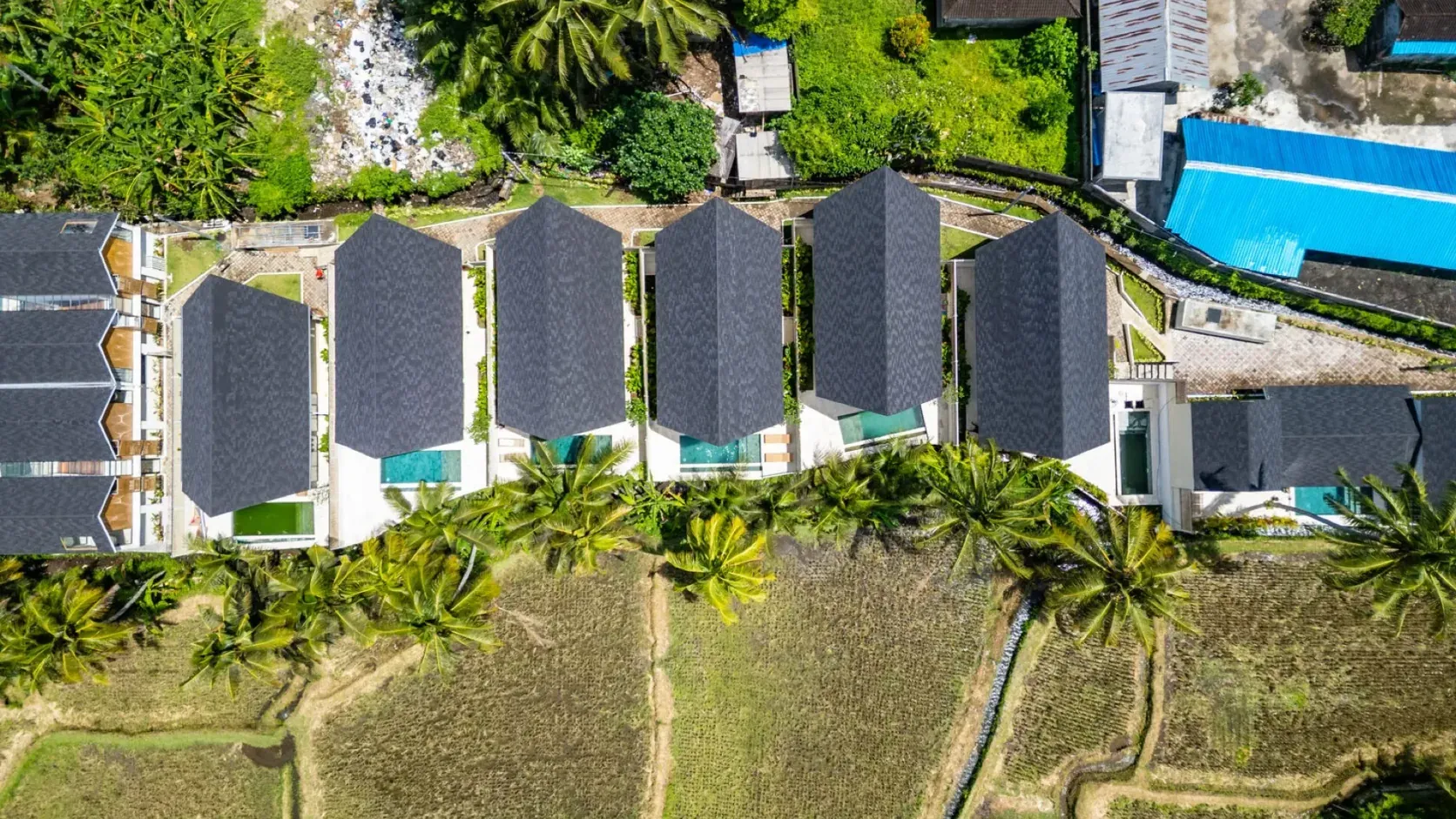
In brief: Leasehold vs freehold in Bali comes down to your horizon and to what you can legally hold. For a fixed investment period and rental income, leasehold is usually the better fit: it needs a smaller initial budget and is simpler to set up. Freehold-type structures suit the longest holding horizon but are more complex, and true freehold (Hak Milik) is open directly only to Indonesian citizens. Whatever the label, check the legal right you actually receive.
What is leasehold in Bali?
Leasehold is a long-term right to use a property in Bali on the basis of a lease agreement. The term, the cost and the conditions of use are all fixed in the contract.
On the Bali property market, the most common arrangement (as of 2026) is a long-term leasehold of 25 to 30 years as the initial term, often with an option to extend; extensions are not automatic and depend on the agreement, as the Bali Property Rules leasehold guide notes. That is long enough to earn rental income from the property and, for villa investment in Bali, to live in the villa yourself.
HQC's own projects use the same structure: an initial lease of 30 to 39 years plus a 30-year extension term set out in the agreement. Satori in Nusa Dua is offered as leasehold 32 + 30 years; Bloom, BY Radisson Individuals as 39 + 30; Aravita as 31 + 30; Ardhana as 30 + 30. The exact extension conditions for each project are set out in its agreement.
The main advantage of leasehold property in Bali is a wider choice of properties and a lower entry threshold. That makes it a common route for foreign investors who want one of the Bali villas or apartments on the market with a clear investment horizon.
Leasehold also works for property resale. For example, if a property is bought on a 30-year lease and the investor decides to exit after 10 years, the remaining 20 years of the leasehold can be passed to a new buyer, provided the agreement allows it.
What does freehold mean in Bali?
Freehold means ownership of a property without a time limit. On the Indonesian market, however, the term can be used in different ways.
In the classic legal sense, freehold corresponds to Hak Milik. Under Article 21 of the Basic Agrarian Law (Law No. 5 of 1960), this right is available directly only to Indonesian citizens. Foreigners cannot own freehold land in Bali in their own name.
Developers that offer "freehold" to foreign property buyers in Bali may therefore be using other legal structures, such as:
- Hak Pakai (Right to Use): a right of use that Indonesian law allows for foreigners.
- A corporate structure: a set-up, such as a PT PMA, in which the land right is held by an Indonesian company rather than by the buyer personally.
So "freehold" in different developers' presentations does not necessarily mean the same legal title. Look beyond the name of the structure: find out what right you actually receive when you buy, for how long, how it is registered, and whether it can be transferred or extended.
For how each of these structures works, how long it lasts and how it is registered, see our guide to leasehold, Hak Pakai and PT PMA.
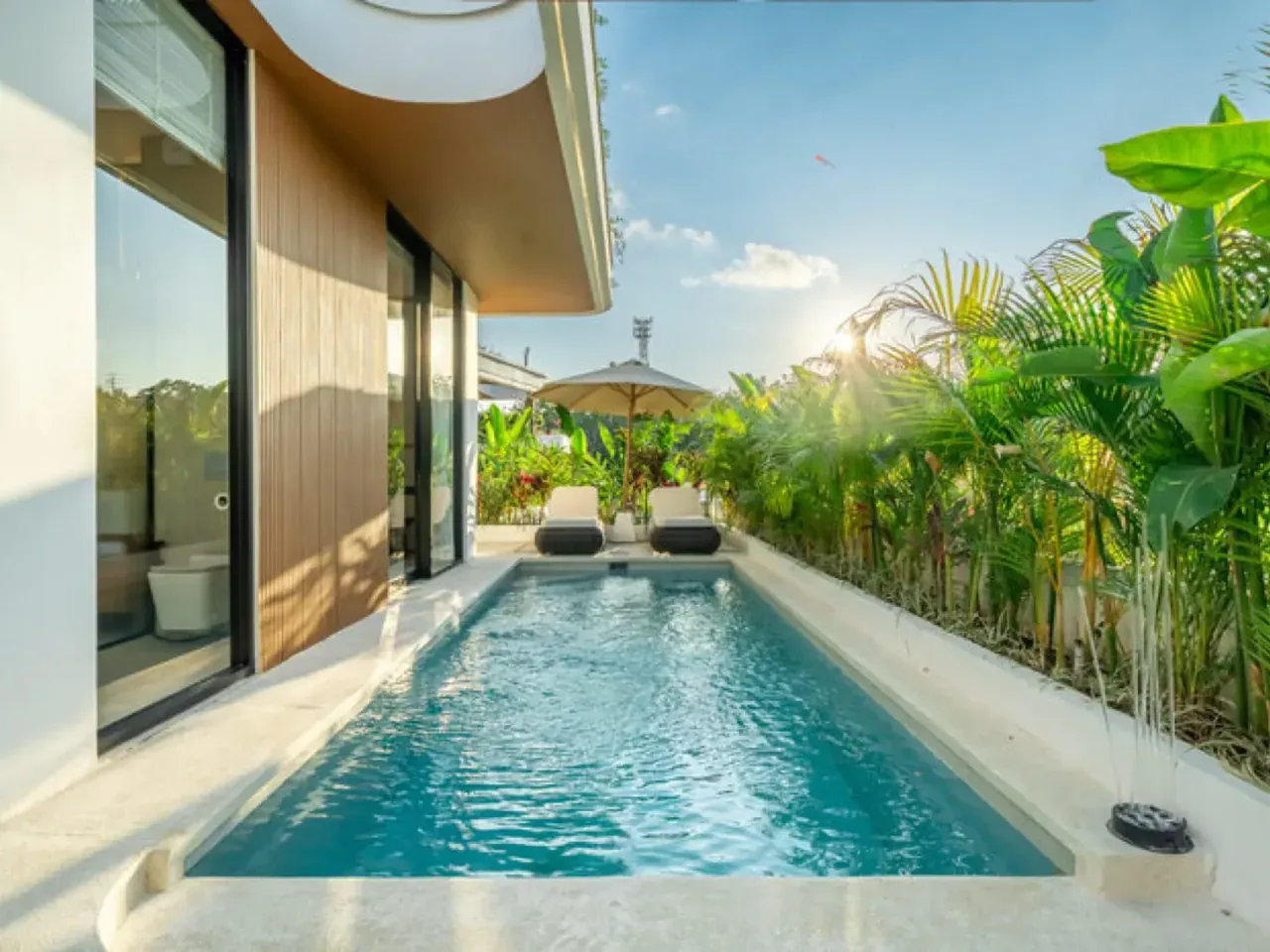
Leasehold vs freehold in Bali: what is the difference?
The difference is the right you receive. Leasehold is a contractual right to use a property for a fixed term, commonly 25 to 30 years with an extension option. Freehold in the strict legal sense is Hak Milik, ownership without a time limit, which only Indonesian citizens can hold directly. The table compares the two on the points that matter to an investor.
Leasehold | Freehold-type structure | |
|---|---|---|
Term | Usually 25+ years, often with an extension option | Long-term or perpetual holding, depending on the structure |
Buyer's right | The right to use the property for the lease term | A longer-term right to the property within the chosen legal structure |
Initial investment | Usually lower | Usually higher |
Extension | Depends on the terms of the agreement | Depends on the structure: only a perpetual title needs none |
Main advantage | More affordable entry and a wide choice of properties | A longer holding horizon and more control over the asset |
Who it suits | Investors who want rental income and plan to exit after several years | Investors focused on long-term ownership |
For a foreign buyer, note that the only perpetual title, Hak Milik, is not available. The structures open to foreigners run for fixed terms with their own extension rules; our ownership guide sets them out.
Which should a foreign investor choose: leasehold or freehold?
Leasehold is chosen by investors who want rental income, a lower initial budget, or an investment for a defined term.
If you are planning long-term property investment in Bali, look at the ownership structures available to foreigners and assess them against your budget, taxes, property management and exit strategy. For the wider market picture, see why investors look at Bali.
Keep in mind that the ownership structure alone does not determine your return. The result of a Bali real estate investment depends on:
- location
- the cost of the property
- the leasehold term
- occupancy rate
- rental yield, whether from short-term rental or long-term rental
- management costs
- the potential for the property's value to grow
Location weighs heavily in that list; our guide to the best areas to buy property in Bali compares the districts. For the full purchase process, from reservation to the notarial deed, read how to buy property in Bali as a foreigner.
What should you check before buying leasehold property in Bali?
Before you sign a deal, check:
- who the legal owner of the land is
- the exact leasehold term
- the extension terms
- whether the right can be transferred to another buyer
- the permitted use of the land and the property
- whether there are any encumbrances
- all costs and obligations of each party
In HQC projects, for example, the lease is held through a registered Indonesian company rather than an individual landowner, which is the first point we suggest buyers confirm with any developer.
Each of these points is covered step by step in our Bali property due-diligence checklist.
Frequently asked questions
Can foreigners buy freehold property in Bali?
No, not directly. A foreigner cannot own land in Bali under Hak Milik, the classic freehold right. Other legal structures exist for foreign buyers, including Hak Pakai (Right to Use).
How long does a leasehold last in Bali?
Leasehold in Bali is commonly offered for 25 to 30 years, often with an extension option, potentially reaching 50 years or more. The exact term depends on the agreement. Longer arrangements also exist on the market, but 25 to 30 years is the most common initial term. For an investor, that is a long enough horizon to earn rental income and use the property.
Can you sell a leasehold property in Bali?
Yes, if the agreement allows it. A leasehold property can be resold, with the remaining lease term transferred to the new buyer; a lease bought for 30 years and sold after 10 passes the remaining 20 to the buyer.
What are the advantages of leasehold property in Bali?
The main advantages are a lower entry budget and a wider choice of properties. Leasehold also gives a clear investment horizon for rental income, and the remaining term can be resold if the agreement allows it.
Can foreigners buy property in Bali?
Yes, through legal structures such as leasehold or Hak Pakai (Right to Use). What a foreigner cannot do is hold Hak Milik, the classic freehold right, directly. The whole process is set out in how to buy property in Bali as a foreigner, and the residency side of Hak Pakai in our guide to Bali visas for property owners.
Which is better for a foreign investor in Bali: leasehold or freehold?
For rental income over a defined term with a lower budget, leasehold is usually better. Freehold-type structures suit investors focused on the longest holding horizon, provided they check exactly which legal right the structure grants.
Choosing between leasehold and freehold is easier with the documents in front of you. Talk to the HQC team or request the project catalogue to see the tenure terms of each project, and read why investors choose HQC.
Lanjutkan membaca

How to Buy Property in Bali as a Foreigner: The Deal, Step by Step
Bali Retirement Visa, Second Home Visa or Golden Visa: Which Fits a Property Owner?